




Der letzte Wikinger
45.00 kr
JMB Verlag Hannover
ISBN 9783944342542
Illustrationen von Peter Kirchhof
Endlich gibt es eine Auswahl der besten Erzählungen von Axel Thormählen auf Deutsch:
Über die in den U.S.A. herausgegebene Auswahl A Happy Man and other Stories (Les Figues Press) schrieb Claude Rawson, Literaturprofessor an der Yale University: „Ein entzückendes, ungewöhnliches, hochindividuelles Buch mit einer milden Weisheit, manchmal beunruhigend oder belustigend oder beides zugleich, aber immer unverwechselbar.“
Related products

The Brontës and Religion (paperback)
appeared from Cambridge University Press in 1999. The first full-length study of religion in the Brontë fiction, it shows how the Brontës' familiarity with the contemporary debates on doctrinal, ethical, and ecclesiastical issues informs their novels. Divided into four parts, the book examines denominations, doctrines, ethics, and clerics in the work of the Brontës. The analyses of the novels clarify the constant interplay of human and divine love in their development. While demonstrating that the Brontës' fiction is usually in agreement with the basic tenets of Evangelical Anglicanism, The Brontës and Religion emphasises the characteristic spiritual freedom and audacity of the Brontës. Lucid and vigorously written, it opens up new perspectives for Brontë specialists and enthusiasts alike on a fundamental aspect of the novels greatly neglected in recent decades.
Excerpts from reviews: "[a] well-informed [study] based on scrupulous readings and meticulous judgments" (Times Literary Supplement); "[the author's] willingness to read with the grain of the novels' religion makes for absorbing reading" (Victorian Studies); "a refreshingly textual study of the Brontës' fiction" (The Review of English Studies); "a work of extraordinarily comprehensive scholarship" (The Journal of Ecclesiastical History); "the kind of writing which will endure and remain valuable for many years to come" (Theology); "I very much enjoyed this book" (Reviews in Religion & Theology).
The Brontës and Religion, hardback
The Brontës and Religion, paperback
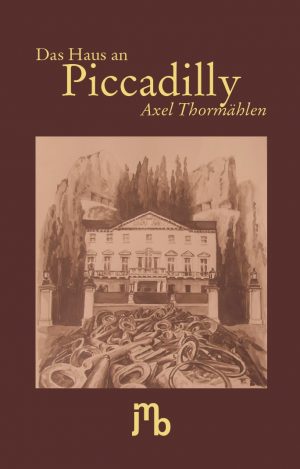
Das Haus an Piccadilly
JMB Verlag, 08 Juni 2012
Ein geheimnisvolles Haus in London erregt seit Jahren die Neugier von Leo Norman. Durch unheimliche Umstände gelangt er an das riesige Schlüsselbund dieses Hauses und stattet ihm einen unvergesslichen Besuch ab ...
Bestellung für Das Haus an Piccadilly an Jens Bolm .
"Hinter Thormählens Sprachwitz steckt ein Philosoph!"
Kunst + Kultur No. I/09

Kremberg, en julberättelse
Träsnidarmästaren Jacob Kremberg kom förmodligen från Nordtyskland. Många danska och sydsvenska kyrkor smyckas av hans verk, tillkomna i början av 1600-talet. Han är centralgestalten i denna novell, som skildrar händelser en kall decembernatt i en skånsk lantkyrka. 'Kremberg: En julberättelse' är dock ingen dokumentär redogörelse utan en historia om fantasi och skapande tillkommen på fantasins egna villkor.
Den lilla publikationen, som väger 27 gram och kostar 40 SEK, är det idealiska 'julkortet' till litterärt intresserade vänner och affärsbekanta.

JOSÉPHINE
Utdrag ur Joséphine, kap. 51 ('Kungen av Rom'):
Jag hade i hemlighet förhoppningar om att få stanna något längre i Malmaison. Men det fann sig inte Bonaparte i. Han kunde dock inte bekväma sig till att meddela mig detta själv utan sände den oerhört generade Cambacérès. Ärkekanslern var inte precis någon mme de Rémusat, och han meddelade mig sin härskares vilja på ett ganska tafatt sätt. Visserligen ville kejsaren inte tvinga mig till någonting, men med hänsyn till kejsarinnans tillstånd var det bäst att jag reste till Navarra så fort som möjligt.
-- Hon är rätt så uppriven, det stackars lilla livet, avslutade Cambacérès allvarligt. Kejsaren -- och jag också för den delen -- skulle starkt rekommendera att ers majestät åker.
Jag tyckte att Marie-Louise, som hade privilegiet att få tillbringa varje dag med Bonaparte och dessutom bar på hans barn, var den sista som hade någon anledning att vara "uppriven". Trots det beslöt jag mig för att lyda Cambacérès råd. Ingen skulle påstå att jag var ute efter att såra Marie-Louise.
Livet på Navarra var ganska behagligt. Mme de Rémusat hade följt med den här gången, och till och med hon verkade ha riktigt roligt. Mme d'Arberg var däremot något bekymrad. Monsieur Pourtalès hade börjat visa stort intresse för mme Gazzani, och snart var romansen ett faktum. Mlle de Castellane-Norantes försäkran om att hon "nog skulle kunna locka tillbaka" monsieur Pourtalès gjorde inte mme d'Arberg lugnare. Men jag var så glad över att mme Gazzani lyckats glömma Bonaparte att jag omöjligt kunde dela hennes upprördhet.
Så kom den tjugonde mars 1811. Ryktet spred sig att kejsarinnan snart skulle föda. Hela dagen var det ingen vid mitt hov som kunde koncentrera sig på biljard eller läsning. Det blev en nästan olidlig väntan tills fram på kvällen, då det första kanonskottet hördes från det intilliggande Évreux.
-- Gudskelov! utbrast jag. Barnet lever! Bara det nu är en pojke.
Ingen vågade säga något de första tjugoen skotten. Vid det tjugoandra bröt ett jubel utan like ut. Det var en pojke. Jag satt länge utan att få fram ett ord. Mme d'Arberg såg ängsligt på mig.
-- Hur är det fatt, ers majestät? Är ni ledsen?
-- Ledsen! ekade jag. Hur skulle jag kunna vara ledsen? Detta är ju vad vi alla hoppats på! Vad kejsaren måste vara lycklig. Ursäkta mig ett ögonblick, jag måste skriva till honom. Och sedan skall vi hålla en stor och påkostad bal. Det här måste firas!
Alla tyckte att jag bar mig ädelt och hjältemodigt åt vid nyheten om tronföljarens födelse. Men jag förtjänade inte deras beröm. Jag var faktiskt glad. Bonaparte hade nu äntligen sin arvtagare, och kanske ännu viktigare, en egen son. Inte desto mindre glömde han inte att i ett brev till mig tillägga, efter att ha yttrat sin faderliga stolthet:
"Jag är mycket nöjd med Eugène. Han har aldrig på något sätt varit en besvikelse för mig."
Jag uppfattade de korthuggna raderna som den absoluta höjden av ömhet och omtänksamhet. I flera dagar tråkade jag ut alla som jag kunde få tag på med mina svärmiska lovsånger om kejsarens hänsynsfullhet. Vad som fick Bonaparte att framstå i ett om möjligt ännu mer förklarat ljus var att han skickade Eugéne till mig med information om vad som hade hänt vid förlossningen och annat skvaller från hovet.
Eugène livade upp oss allesammans. Han kom på idén att starta tävlingar i allt möjligt, såsom biljard, dans och till och med fiske. Ingen av damerna var alltför ledsen om de förlorade, eftersom Eugène brukade ge dem en kram eller kyss på kinden som "tröstpris". Jag misstänkte att den unga söta mlle Ducrest -- ett tämligen nytt tillskott till mitt hov -- till och med ibland spelade dåligt med flit vid biljardtävlingarna. Både jag och mme d'Arberg höll emellertid ett vakande öga på de båda.
Eugène hade sett till att de gröna "hovklänningarna" avskaffades. Han förklarade att han ville se "den prydliga gräsmattan förvandlas till en blomstrande äng". Alla de unga flickorna vid mitt hov enades om att det var mycket tjusigt sagt av Eugène och skaffade sig genast de mest färgglada klänningar de kunde hitta. Hovetiketten försvann så gott som helt tillsammans med de gröna klänningarna. Mme d'Arberg var förtvivlad, men det fanns inte mycket hon kunde göra. I stället försökte hon förgäves få någon reda i mina finanser som -- trots att jag hade ett underhåll på tre miljoner franc om året -- var så till den grad katastrofala att Bonaparte till och med en gång sände sin finansminister för att läxa upp mig. Jag antar att mme d'Arberg drog en suck av lättnad då jag fick tillstånd att återvända till Malmaison, där hon inte behövde ta så mycket ansvar för mig. Det var nog väl att hon inte visste vad jag föresatt mig att göra när jag kom till Paris. Jag var nämligen fast besluten att se Bonapartes son och Frankrikes blivande kejsare -- som Bonaparte högtidligt givit titeln "kungen av Rom". (S. 444-46)

The Brontës in Context (hardback)
Edited by: Marianne Thormählen, Lunds Universitet, Sweden
Very few families produce one outstanding writer. The Brontë family produced three. The works of Charlotte, Emily and Anne remain immensely popular, and are increasingly being studied in relation to the surroundings and wider context that formed them. The forty-two new essays in this book tell 'the Brontë story' as it has never been told before, drawing on the latest research and the best available scholarship while offering new perspectives on the writings of the sisters. A section on Brontë criticism traces their reception to the present day. The works of the sisters are explored in the context of social, political and cultural developments in early-nineteenth-century Britain, with attention given to religion, education, art, print culture, agriculture, law and medicine. Crammed with information, The Brontës in Context shows how the Brontës' fiction interacts with the spirit of the time, suggesting reasons for its enduring fascination.
The Brontës in Context, hardback
The Brontës in Context, paperback
Reviews so far
'General readers will enjoy it as much as Brontë students and fans, and its careful avoidance of anything too topical or controversial will keep it fresh for years. Thormählen's high-quality contributors, assembly of reliable facts and data, pertinent commentary, maps, illustrations, splendid chronology and further reading lists make it everything that one could wish for.' Times Literary Supplement
'The high quality of scholarship in combination with the clarity of the jargon-free writing make it a book accessible to all. Those new to the Brontës will receive a solid introduction; those familiar with the Brontë story will be surprised by new information and fresh insights. Much of the knowledge one gains over the years from reading many disparate books is gathered together into this one volume, helping the reader to develop a coherent and comprehensive understanding of this literary family's life and historical contexts. I would recommend The Brontës in Context not only to those interested in the Brontës, but to anyone studying literature in the Victorian age. /---/ [It] will serve current and future generations of Brontë readers, students and scholars admirably; it will also prompt new avenues of study as readers delve deeper into the variety of issues that this volume covers. The Brontës in Context exemplifies the best writing, communicating not only information but also pleasure to the reader who enters its pages, ensuring that it will have a lasting contribution to make to the world of Brontë studies.' Brontë Studies
'Readers of The Brontës in Context will gain fresh insights into the writings of the sisters, and also how those writings relate to the concerns of their time and contribute to our understanding of the nineteenth-century mindset. Already my copy is getting thumb-marked, and I'm sure the book will be a valued handbook for years to come.' Emerald Insight

De närvarande
Innehåller åtta sträva, intensiva berättelser ur samtiden som präglas av en illusionslös psykologi, där medkänsla ändå är utgångspunkten, och en ovanlig förmåga till satir och svart humor. Om sitt författarskap skriver Thormählen själv: Det ställer människan och möjligheterna i medelpunkten. Med varje gestalt börjar för mig en ny livserfarenhet, jag följer den och det ofta absurda försöket att fylla tillvaronskorta tidsrymd med en innebörd. För att kunna finnas till, måste man först beröra jorden; ett par av de gestalter jag beskriver glöder och förkolnar vid försöket. Andra finner åtminstone hoppet om ett fotfäste.
Beställ via förlagets hemsida, www.ellerstroms.se


Reviews
There are no reviews yet.