


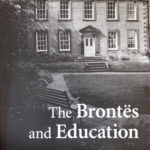
The Brontës and Religion (hardback)
appeared from Cambridge University Press in 1999. The first full-length study of religion in the Brontë fiction, it shows how the Brontës’ familiarity with the contemporary debates on doctrinal, ethical, and ecclesiastical issues informs their novels. Divided into four parts, the book examines denominations, doctrines, ethics, and clerics in the work of the Brontës. The analyses of the novels clarify the constant interplay of human and divine love in their development. While demonstrating that the Brontës’ fiction is usually in agreement with the basic tenets of Evangelical Anglicanism, The Brontës and Religion emphasises the characteristic spiritual freedom and audacity of the Brontës. Lucid and vigorously written, it opens up new perspectives for Brontë specialists and enthusiasts alike on a fundamental aspect of the novels greatly neglected in recent decades.
Excerpts from reviews: “[a] well-informed [study] based on scrupulous readings and meticulous judgments” (Times Literary Supplement); “[the author’s] willingness to read with the grain of the novels’ religion makes for absorbing reading” (Victorian Studies); “a refreshingly textual study of the Brontës’ fiction” (The Review of English Studies); “a work of extraordinarily comprehensive scholarship” (The Journal of Ecclesiastical History); “the kind of writing which will endure and remain valuable for many years to come” (Theology); “I very much enjoyed this book” (Reviews in Religion & Theology).
The Brontës and Religion, hardback
The Brontës and Religion, paperback
Related products

The Brontës and Religion (paperback)
appeared from Cambridge University Press in 1999. The first full-length study of religion in the Brontë fiction, it shows how the Brontës' familiarity with the contemporary debates on doctrinal, ethical, and ecclesiastical issues informs their novels. Divided into four parts, the book examines denominations, doctrines, ethics, and clerics in the work of the Brontës. The analyses of the novels clarify the constant interplay of human and divine love in their development. While demonstrating that the Brontës' fiction is usually in agreement with the basic tenets of Evangelical Anglicanism, The Brontës and Religion emphasises the characteristic spiritual freedom and audacity of the Brontës. Lucid and vigorously written, it opens up new perspectives for Brontë specialists and enthusiasts alike on a fundamental aspect of the novels greatly neglected in recent decades.
Excerpts from reviews: "[a] well-informed [study] based on scrupulous readings and meticulous judgments" (Times Literary Supplement); "[the author's] willingness to read with the grain of the novels' religion makes for absorbing reading" (Victorian Studies); "a refreshingly textual study of the Brontës' fiction" (The Review of English Studies); "a work of extraordinarily comprehensive scholarship" (The Journal of Ecclesiastical History); "the kind of writing which will endure and remain valuable for many years to come" (Theology); "I very much enjoyed this book" (Reviews in Religion & Theology).
The Brontës and Religion, hardback
The Brontës and Religion, paperback


Der Weg nach Altenburg (ePub & PDF)
JMB Verlag, 2013
Illustrationen von Peter Kirchhof
"Ein schauerlicher Bericht aus dem Niemandsland des Lebens".
Bestellung für Der Weg nach Altenburg an Jens Bolm .
http://www.nwzonline.de/person/thormählen,axel
Dass sein Freund Hannes sich das Leben genommen hat, kann der Erzähler nicht glauben und reist daher an den Ort seiner Kindheit, um Hannes zu suchen. Statt des gebuchten Express-Zuges steigt er allerdings in den Regional-Schnellzug mit gleichem Fahrziel ein. Die eigenartige Stimmung der Passagiere, ihr entweder manisches oder geradezu phlegmatisches Verhalten und der düstere, unwirkliche Ausblick aus dem Fenster während dieser langen Bahnfahrt hätten als Warnung gesehen werden können, denn als der Protagonist in Rade am Fluss ankommt, ist nichts mehr so, wie es war.
Die Stadt, die ihm schon seit seiner Kindheit vertraut ist, erkennt er kaum wieder. Sie ist wie ausgestorben, die meisten Lichter sind aus, die Stadt liegt in fast vollkommener Dunkelheit und die wenigen Menschen, denen er begegnet, scheinen ihrer Identität beraubt zu sein. Seine Suche nach Ansprache, nach einem Telefon, einem Taxi oder nach Hannes wird immer beängstigender, bis er in einer Bar findet, was er gesucht hat. Oder doch nicht? Die menschenleeren Straßen, die skurrilen Bars und die einst vertraute Stadt, die nurmehr von Namenlosen bevölkert scheint, werden immer mehr zu einem Alptraum. Gelingt es dem Erzähler nach Altenburg zurückzukehren oder sitzt er bis in alle Ewigkeit in dieser düsteren Stadt fest?
Mich hat die poetische Sprache des Erzählers und die mystische Stimmung der Geschichte sofort in den Bann gezogen. Ich fühlte mich an Kafka oder E.T.A. Hoffmann erinnert und nahm wie selbstverständlich neben den Reisenden im Zug Platz. Fast schien die nicht nur äußerliche Heimatlosigkeit der anderen auch von mir Besitz zu ergreifen, so dass ich die wenigen Seiten wie im Fieber umblätterte und doch am Ende froh war, noch einmal den Absprung vom Zug geschafft zu haben.
Fazit: Es handelt sich um ein kleines Büchlein, aber um eine feine Geschichte. Auch die vier Illustrationen von Peter K. Kirchhof sind sehr passend und stimmungsvoll. Die Handlung von “Der Weg nach Altenburg” ist in der Gegenwart angesiedelt, doch die Form folgt der Tradition des fantastischen Erzählens. Eine mitreißende Geschichte, die ins Innere und dann wieder an den Ausgangspunkt zurückführt. Besonders für eine kurze Bahnfahrt geeignet, die noch Zeit zum Nachdenken lässt, die dieser Lektüre unbedingt folgen sollte.
Laila Mahfouz, 7. Januar 2014

A Happy Man or Der Glückliche
Les Figues Press, Los Angeles 2008
http://www.lesfigues.com
Selected short stories by Axel Thormählen, bilingual edition (English/German)
The tales in this collection could hardly be more diverse where content is concerned, ranging from the Christmas story 23 December to the young love of Dyke Crest Lane No. 1. We also meet the Construction Worker who keeps interrupting our lives with his relentless noise, the ancient church servant Thomas who inhabits the cathedrals where we catch our breath, and the old woman for whom the only uplifting thing is the Water Tower which rises near her house. In the familiar Course of Things, illness, healing process, and death go hand in hand; the Happy Man knows that, too, whereas the Churchgoer is still searching for a monumental meaning in life. We’d better make use of our Visiting Hour even if things keep breaking into little pieces, again and again.
https://www.spdbooks.org/Products/9781934254042/a-happy-man-and-other-stories.aspx
Book Reviews Blog
http://www.dalkeyarchive.com/catalog/show_comment/1594
http://skylightbooks.blogspot.com/2008/07/my-encounter-with-happy-man.html
http://www.bookslut.com/fiction/2008_11_013686.php
http://www.theshortreview.com/reviews/AxelThormahlenAHappyMan.htm
Interview with Axel Thormählen
http://www.theshortreview.com/authors/AxelThormahlen.htm

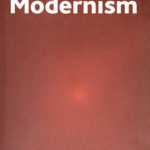
Rethinking Modernism
Around 1979, scholars adopted the term "modernism" as a designation for the radical changes that took place in Anglo-American literature in the early twentieth century. The concept lent prestige to works and authors associated with it, encouraging the development of a vast body of criticism while blocking academic recognition of literature to which it does not readily apply. In Rethinking Modernism, published by Palgrave Macmillan in 2003 and edited by Marianne Thormählen, fifteen scholars of modernism subject the concept to sceptical scrutiny as they revisit their special areas of expertise. The general question they all face is not so much "what was modernism?" -- a familiar question -- as "was/is modernism?" Their results show that although "modernism" remains a useful concept under certain conditions, for them -- as for any reader of this book -- modernism will never be quite the same again.
The book ends with a 20-page bibliography of works on modernism in two parts, compiled by the editor; the Literary Research/Recherche littéraire reviewer called it "comprehensive and invaluable". Other reviewers have praised the book as forming a "both focused and vigorous" volume (The Yearbook of English Studies) and as offering noteworthy "considerations of category breakers and the construction of categories by the reception of literary works" (The Review of English Studies).
https://www.palgrave.com/page/detail/rethinking-modernism-marianne-thormählen/?sf1=barcode&st1=9781403911803

Wilhelm
Banktjänstemannen Frieder K. är en vanlig familjefar som ställs inför ett ovanligt problem. Vissa tecken tyder på, att hans just avlidne far Wilhelm inte utan vidare låter sig bringas ur världen. Wilhelm dyker upp på det mest oväntade platser, och vissa handlingar finns inte där de borde vara. Frieder offrar dyrbara semesterdagar för att lösa "mysteriet Wilhelm" men blir bara alltmer osäker. Hans välordnade värld hänger helt plötsligt inte ihop längre. Frieder förändras under sitt sökande efter Wilhelm. Han börjar accepteraockså det ovissa och skrämmande i tillvaron, och gränsen mellan hans och faderns identiteter blir alltmer diffus för honom. Ur hans synvinkel blir tankegångar och handlingarsom för utomstående ter sig absurda, för att inte säga groteska, enbart logiska och nödvändiga.
Romanen om Frieder och hans far utspelar sig inom en generations nutid och förflutna, en generation vars första år sammanföll med Tredje Rikets Tyskland.
Beställ via förlagets hemsida, www.ellerstroms.se


Reviews
There are no reviews yet.