


Das Haus an Piccadilly
15.00 kr
JMB Verlag, 08 Juni 2012
Ein geheimnisvolles Haus in London erregt seit Jahren die Neugier von Leo Norman. Durch unheimliche Umstände gelangt er an das riesige Schlüsselbund dieses Hauses und stattet ihm einen unvergesslichen Besuch ab …
Bestellung für Das Haus an Piccadilly an Jens Bolm .
“Hinter Thormählens Sprachwitz steckt ein Philosoph!”
Kunst + Kultur No. I/09
Related products

Rochester – The Poems in Context (paperback)
The 1999 Oxford University Press edition by Harold Love of the works of John Wilmot, 2nd Earl of Rochester, praises Marianne Thormählen's Rochester: The Poems in Context (Cambridge University Press, 1993; a paperback edition appeared in 2006) as the most up-to-date book on Rochester's poetry, a "fresh, personal, and profoundly learned" study (pp. xlvi-xlvii). Other scholars have called it "splendid" (The Yearbook of English Studies), "intelligent and careful" (The Review of English Studies), "judicious" (Times Literary Supplement), and "smart and useful ... a treasure trove of information [for which] readers of Rochester will be indebted to Ms Thormählen for years to come" (The Scriblerian).
Marianne Thormählen regards Rochester as a serious poet who devoted much time and care to his verse and aimed for the highest standards in his writing. This view runs counter to the traditional idea of Rochester as the "wicked earl" who wrote with ease; but she bolsters it with convincing evidence of painstaking literary desk-work, deliberate exploitation and subversion of poetical conventions, and subtly crafted references to people and events in Charles II's and Louis XIV's Europe. Rochester's much-talked-about obscenities are shown to belong within a sombre framework of dissatisfaction with sensual pursuits and distrust of male sexual ability. The book ends with a consideration of Rochester's famous deathbed conversion. A select bibliography directs the reader to every notable work on Rochester up to 1990.
Rochester: The Poems in Context, hardback
Rochester: The Poems in Context, paperback

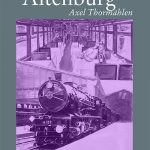
Der Weg nach Altenburg (ePub & PDF)
JMB Verlag, 2013
Illustrationen von Peter Kirchhof
"Ein schauerlicher Bericht aus dem Niemandsland des Lebens".
Bestellung für Der Weg nach Altenburg an Jens Bolm .
http://www.nwzonline.de/person/thormählen,axel
Dass sein Freund Hannes sich das Leben genommen hat, kann der Erzähler nicht glauben und reist daher an den Ort seiner Kindheit, um Hannes zu suchen. Statt des gebuchten Express-Zuges steigt er allerdings in den Regional-Schnellzug mit gleichem Fahrziel ein. Die eigenartige Stimmung der Passagiere, ihr entweder manisches oder geradezu phlegmatisches Verhalten und der düstere, unwirkliche Ausblick aus dem Fenster während dieser langen Bahnfahrt hätten als Warnung gesehen werden können, denn als der Protagonist in Rade am Fluss ankommt, ist nichts mehr so, wie es war.
Die Stadt, die ihm schon seit seiner Kindheit vertraut ist, erkennt er kaum wieder. Sie ist wie ausgestorben, die meisten Lichter sind aus, die Stadt liegt in fast vollkommener Dunkelheit und die wenigen Menschen, denen er begegnet, scheinen ihrer Identität beraubt zu sein. Seine Suche nach Ansprache, nach einem Telefon, einem Taxi oder nach Hannes wird immer beängstigender, bis er in einer Bar findet, was er gesucht hat. Oder doch nicht? Die menschenleeren Straßen, die skurrilen Bars und die einst vertraute Stadt, die nurmehr von Namenlosen bevölkert scheint, werden immer mehr zu einem Alptraum. Gelingt es dem Erzähler nach Altenburg zurückzukehren oder sitzt er bis in alle Ewigkeit in dieser düsteren Stadt fest?
Mich hat die poetische Sprache des Erzählers und die mystische Stimmung der Geschichte sofort in den Bann gezogen. Ich fühlte mich an Kafka oder E.T.A. Hoffmann erinnert und nahm wie selbstverständlich neben den Reisenden im Zug Platz. Fast schien die nicht nur äußerliche Heimatlosigkeit der anderen auch von mir Besitz zu ergreifen, so dass ich die wenigen Seiten wie im Fieber umblätterte und doch am Ende froh war, noch einmal den Absprung vom Zug geschafft zu haben.
Fazit: Es handelt sich um ein kleines Büchlein, aber um eine feine Geschichte. Auch die vier Illustrationen von Peter K. Kirchhof sind sehr passend und stimmungsvoll. Die Handlung von “Der Weg nach Altenburg” ist in der Gegenwart angesiedelt, doch die Form folgt der Tradition des fantastischen Erzählens. Eine mitreißende Geschichte, die ins Innere und dann wieder an den Ausgangspunkt zurückführt. Besonders für eine kurze Bahnfahrt geeignet, die noch Zeit zum Nachdenken lässt, die dieser Lektüre unbedingt folgen sollte.
Laila Mahfouz, 7. Januar 2014
Der Weg nach Altenburg
JMB Verlag, 2013
Illustrationen von Peter Kirchhof
"Ein schauerlicher Bericht aus dem Niemandsland des Lebens".
Bestellung für Der Weg nach Altenburg an Jens Bolm .
http://www.nwzonline.de/person/thormählen,axel
Dass sein Freund Hannes sich das Leben genommen hat, kann der Erzähler nicht glauben und reist daher an den Ort seiner Kindheit, um Hannes zu suchen. Statt des gebuchten Express-Zuges steigt er allerdings in den Regional-Schnellzug mit gleichem Fahrziel ein. Die eigenartige Stimmung der Passagiere, ihr entweder manisches oder geradezu phlegmatisches Verhalten und der düstere, unwirkliche Ausblick aus dem Fenster während dieser langen Bahnfahrt hätten als Warnung gesehen werden können, denn als der Protagonist in Rade am Fluss ankommt, ist nichts mehr so, wie es war.
Die Stadt, die ihm schon seit seiner Kindheit vertraut ist, erkennt er kaum wieder. Sie ist wie ausgestorben, die meisten Lichter sind aus, die Stadt liegt in fast vollkommener Dunkelheit und die wenigen Menschen, denen er begegnet, scheinen ihrer Identität beraubt zu sein. Seine Suche nach Ansprache, nach einem Telefon, einem Taxi oder nach Hannes wird immer beängstigender, bis er in einer Bar findet, was er gesucht hat. Oder doch nicht? Die menschenleeren Straßen, die skurrilen Bars und die einst vertraute Stadt, die nurmehr von Namenlosen bevölkert scheint, werden immer mehr zu einem Alptraum. Gelingt es dem Erzähler nach Altenburg zurückzukehren oder sitzt er bis in alle Ewigkeit in dieser düsteren Stadt fest?
Mich hat die poetische Sprache des Erzählers und die mystische Stimmung der Geschichte sofort in den Bann gezogen. Ich fühlte mich an Kafka oder E.T.A. Hoffmann erinnert und nahm wie selbstverständlich neben den Reisenden im Zug Platz. Fast schien die nicht nur äußerliche Heimatlosigkeit der anderen auch von mir Besitz zu ergreifen, so dass ich die wenigen Seiten wie im Fieber umblätterte und doch am Ende froh war, noch einmal den Absprung vom Zug geschafft zu haben.
Fazit: Es handelt sich um ein kleines Büchlein, aber um eine feine Geschichte. Auch die vier Illustrationen von Peter K. Kirchhof sind sehr passend und stimmungsvoll. Die Handlung von “Der Weg nach Altenburg” ist in der Gegenwart angesiedelt, doch die Form folgt der Tradition des fantastischen Erzählens. Eine mitreißende Geschichte, die ins Innere und dann wieder an den Ausgangspunkt zurückführt. Besonders für eine kurze Bahnfahrt geeignet, die noch Zeit zum Nachdenken lässt, die dieser Lektüre unbedingt folgen sollte.
Laila Mahfouz, 7. Januar 2014

Kremberg, en julberättelse
Träsnidarmästaren Jacob Kremberg kom förmodligen från Nordtyskland. Många danska och sydsvenska kyrkor smyckas av hans verk, tillkomna i början av 1600-talet. Han är centralgestalten i denna novell, som skildrar händelser en kall decembernatt i en skånsk lantkyrka. 'Kremberg: En julberättelse' är dock ingen dokumentär redogörelse utan en historia om fantasi och skapande tillkommen på fantasins egna villkor.
Den lilla publikationen, som väger 27 gram och kostar 40 SEK, är det idealiska 'julkortet' till litterärt intresserade vänner och affärsbekanta.

Eliot’s Animals
T. S. Eliot´s poems and plays are full of animals, from the alley cats of the early poems by way of the eagle, leopards, and unicorns in Ash-Wednesday to the birds in Four Quartets. Marianne Thormählen´s Eliot´s Animals takes you on a guided tour of Eliot´s bestiary, showing how the poet brought a rich variety of ideas about animals into his texts and invested those texts with layers of meaning derived from, for instance, Dante, Baudelaire, and the Bible. Eliot´s Animals is a book to dip into for the Eliot reader curious to see how a particular scene can be perceived with reference to the function of a particular animal image. There is no need to read it straight through -- but those who do will learn something new about Eliot´s range and subtlety in handling symbolic features. (Lund Studies in English No. 70, 1984; 197 pp.)

De närvarande
Innehåller åtta sträva, intensiva berättelser ur samtiden som präglas av en illusionslös psykologi, där medkänsla ändå är utgångspunkten, och en ovanlig förmåga till satir och svart humor. Om sitt författarskap skriver Thormählen själv: Det ställer människan och möjligheterna i medelpunkten. Med varje gestalt börjar för mig en ny livserfarenhet, jag följer den och det ofta absurda försöket att fylla tillvaronskorta tidsrymd med en innebörd. För att kunna finnas till, måste man först beröra jorden; ett par av de gestalter jag beskriver glöder och förkolnar vid försöket. Andra finner åtminstone hoppet om ett fotfäste.
Beställ via förlagets hemsida, www.ellerstroms.se


Reviews
There are no reviews yet.